Blog

  • Do You Need a Japan Rail Pass for Kamakura? An Honest Local’s Guide

    Do You Need a Japan Rail Pass for Kamakura? An Honest Local’s Guide

    If you’re planning a day trip to Kamakura and wondering whether to buy a Japan Rail Pass, here’s the honest answer from someone who lives here: for most travelers, you don’t need one. Let me explain why — and what to use instead to keep things simple and cheap.

    The Short Answer

    The Japan Rail Pass is designed for long-distance travel across the country. For a day trip from Tokyo to Kamakura, it’s almost always more expensive than it’s worth. Unless your wider trip involves a lot of long-distance train travel, you can skip it and save money.

    What a Trip to Kamakura Actually Costs

    Getting from Tokyo to Kamakura is inexpensive on its own:

    • Tokyo Station to Kamakura (JR Yokosuka Line): about ¥1,034 one way with an IC card, so roughly ¥2,000 round trip.

    Compare that to a 7-day Japan Rail Pass, which costs ¥50,000. You would need to be taking many long-distance trains — think Tokyo to Kyoto, Osaka, or Hiroshima — before a pass like that starts to pay for itself. A single day trip to Kamakura doesn’t come close.

    When the Japan Rail Pass Is Worth It

    To be fair, the pass makes sense for some trips. If your itinerary looks like Tokyo → Kyoto → Osaka → Hiroshima within a week, with several long bullet-train rides, the Japan Rail Pass can genuinely save you money and hassle. In that case, it’s worth buying before you arrive.

    [→ Japan Rail Pass のアフィリエイトリンク]

    But if you’re mostly based in Tokyo and taking day trips to places like Kamakura, Nikko, or Hakone, individual rides almost always work out cheaper.

    What to Use Instead: Just Tap an IC Card

    For a Kamakura day trip, the easiest option by far is an IC card — the rechargeable smart cards known as Suica or PASMO.

    Here’s why locals love them, and why they’re perfect for visitors:

    • No need to buy a ticket every time. You just tap in at the gate and tap out at your destination. No working out fares, no ticket machines, no queues.
    • They work almost everywhere — JR trains, subways, private railways, buses, even convenience stores and vending machines.
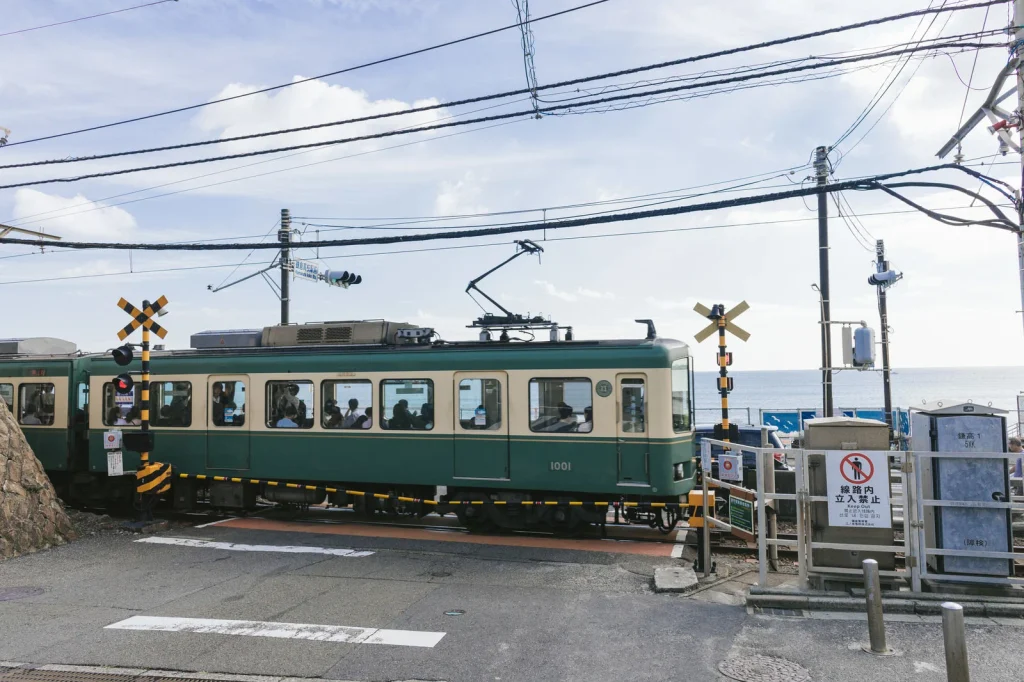
    • One card covers your whole day — the train to Kamakura, the Enoden along the coast, a drink from a vending machine at the beach.

    For most visitors, tapping an IC card is the single easiest way to get around, and it removes the biggest headache of all: figuring out tickets in a foreign language.

    How to Get an IC Card

    Getting one is easy, and it’s worth doing as soon as you arrive:

    • Where: You can buy Suica or PASMO at ticket machines and station counters at major stations, including the airports. Look for the machines marked with the Suica (green penguin) or PASMO logo.
    • How: Most machines have an English option. Choose the IC card, pay with cash (and at many machines, by card), and you’re ready to tap.
    • Topping up: When your balance runs low, just add more cash at any IC card machine. Any leftover balance stays on the card for next time.
    • On your phone: If you have an iPhone or Apple Pay, you can even add a Suica directly to your phone and skip the physical card entirely.

    If you’re visiting Japan more than once, a physical IC card is especially worth keeping — it works nationwide, covers buses as well as trains, and spares you from puzzling over fares and ticket machines in Japanese every trip. It’s one of the simplest things you can do to make getting around Japan stress-free.

    A Tip Most Guides Miss: Tap Your Credit Card

    Here’s something even many guidebooks don’t mention. On a growing number of private railways in the Tokyo area — such as the Tokyu lines — you can now tap your contactless credit card directly at the gate, just like an IC card. No separate ticket, no IC card top-up — your own card works as your ticket.

    It’s not available on every line yet, but where it is, it’s wonderfully convenient for visitors who don’t want to deal with buying or charging anything at all.

    A Local’s Honest Take

    Don’t let the marketing pressure you into a rail pass you won’t use. For a Kamakura day trip — and most Tokyo-based travel — a simple IC card (or a tap of your credit card where supported) is cheaper, easier, and far less stressful. Save the Japan Rail Pass for the kind of long, multi-city trip it was actually made for.
  • Kamakura Day Trip from Tokyo: A Local’s Complete Guide

    Kamakura Day Trip from Tokyo: A Local’s Complete Guide

    Just an hour from central Tokyo, Kamakura makes one of the best day trips in Japan. This seaside town was the country’s capital during the samurai era, and today it packs centuries of history, a giant bronze Buddha, quiet beaches, and a nostalgic old railway into a space you can explore in a single day. Here’s how to get there, what to see, and how to experience it the way a local would.

    How to Get There from Central Tokyo

    Getting to Kamakura is simple, and in most cases you won’t even need to change trains.

    • From Tokyo Station: Take the JR Yokosuka Line straight to Kamakura — one train, about an hour.
    • From Shinjuku or Shibuya: Take the JR Shōnan-Shinjuku Line, which also runs direct to Kamakura.

    Both lines are covered by the Japan Rail Pass and most standard IC cards, so you can simply tap in and go.

    [→ 交通パスのアフィリエイトリンク:JRPass 等]

    Coming Straight from the Airport?

    If you’d rather visit Kamakura on your arrival or departure day — without heading into central Tokyo first — here’s how locals do it:

    • From Narita Airport: Take the Narita Express (N’EX) to Ōfuna, then transfer to the Yokosuka Line for the short ride to Kamakura.
    • From Haneda Airport: Take the Keikyū Line to Yokohama, then transfer to the Yokosuka Line. Alternatively, there’s an airport limousine bus to Yokohama, where you can pick up the same train.

    This makes Kamakura a great first or last stop on a Japan trip, especially if you’re not based in Tokyo the whole time.

    How Much Time You Need

    A day is plenty to enjoy Kamakura’s highlights without rushing. If you arrive mid-morning, you’ll have time for the main sights, lunch by the sea, and a slow wander before heading back in the evening.

    First Stop: Komachi-dori Shopping Street

    The moment you step out of Kamakura Station’s east exit, you’ll find Komachi-dori — a lively shopping street that runs toward Tsurugaoka Hachimangu. It’s the perfect introduction to the town. The street is packed with food stalls for snacking as you walk, along with small shops selling local crafts, souvenirs, and all kinds of knick-knacks. Grab something to eat, browse the shops, and let yourself get a feel for Kamakura before heading to the main sights.

    What to See

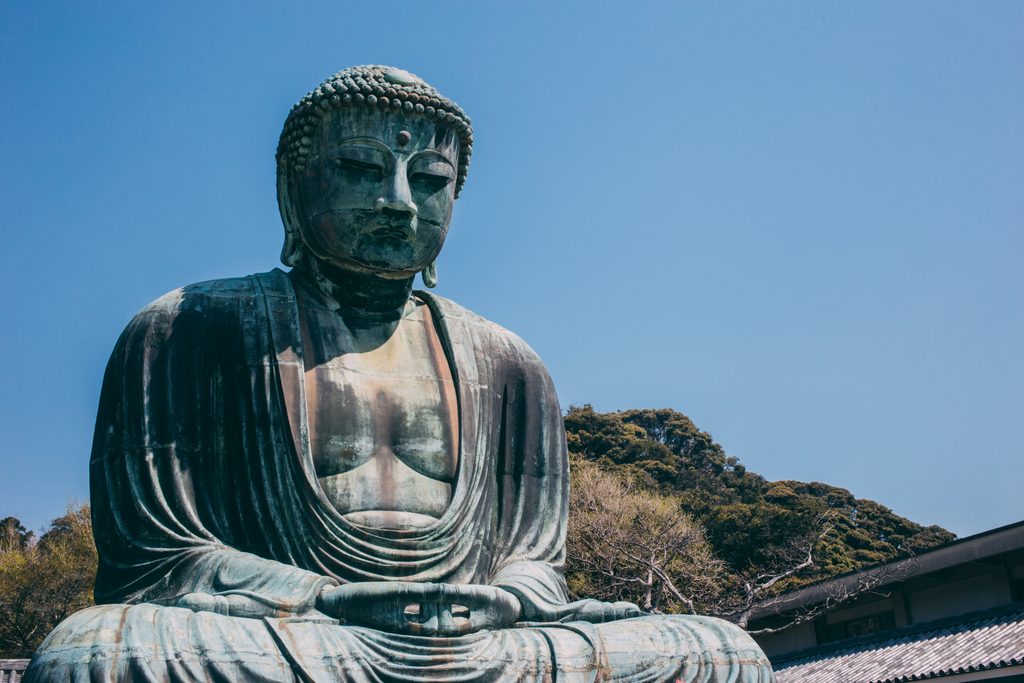
    The Great Buddha at Kōtoku-in

    Kamakura’s most iconic sight is the Great Buddha — a bronze statue over 13 meters tall, sitting serenely in the open air at Kōtoku-in. But it wasn’t always open to the sky. The statue once stood inside a great wooden hall, which was destroyed several times by violent storms over the centuries. Eventually it was never rebuilt — and for more than 500 years the Buddha has sat out in the open. That’s exactly why you can admire it against the sky today, something you can’t do with most great Buddha statues in Japan.

    Tsurugaoka Hachimangu

    The spiritual heart of Kamakura and the city’s most important shrine, with a history that runs from the rise of the samurai to the dramatic fall of the Minamoto shoguns. (If you want the full story, see my local’s guide to Tsurugaoka Hachimangu.)

    Yuigahama Beach

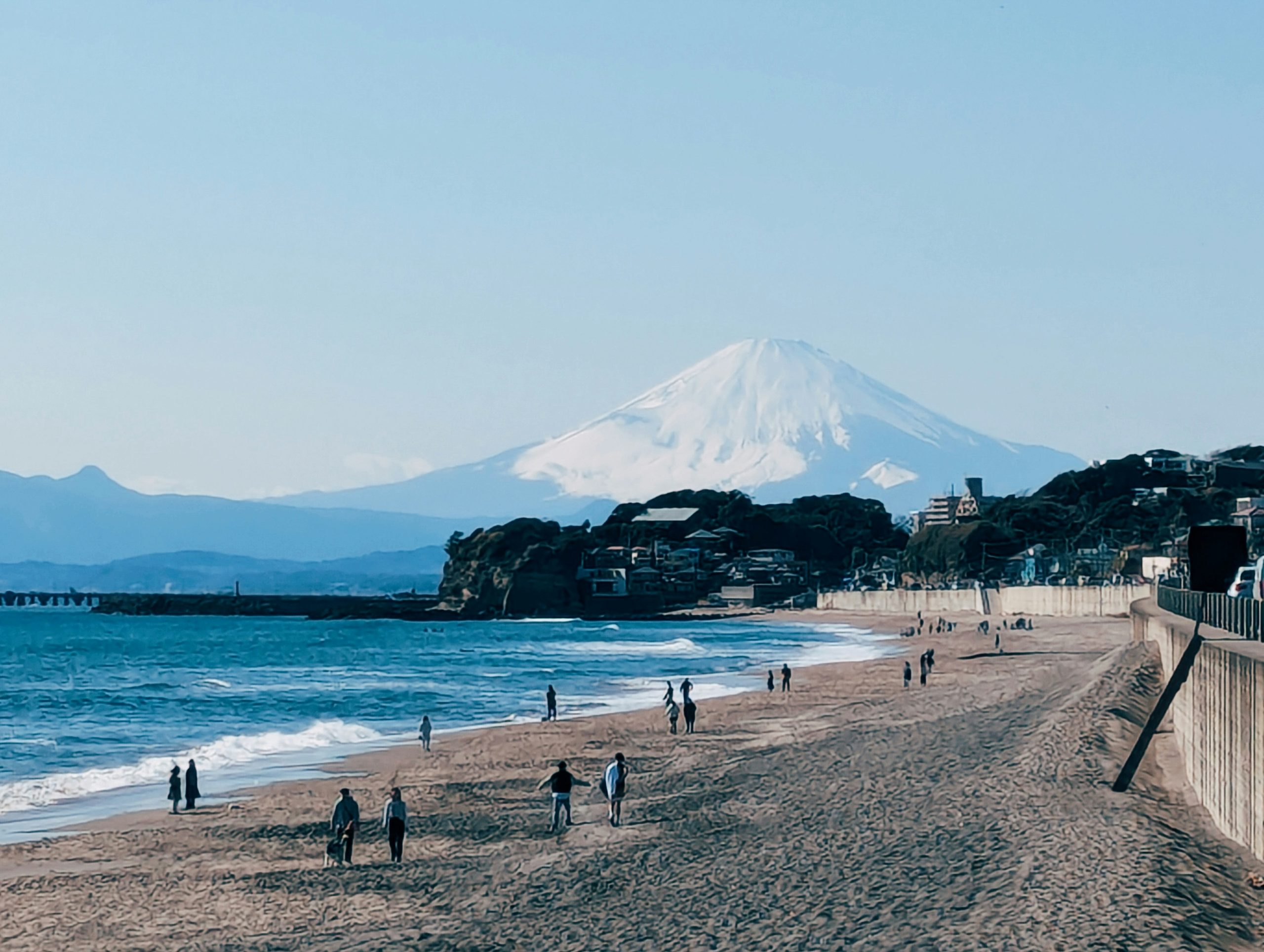
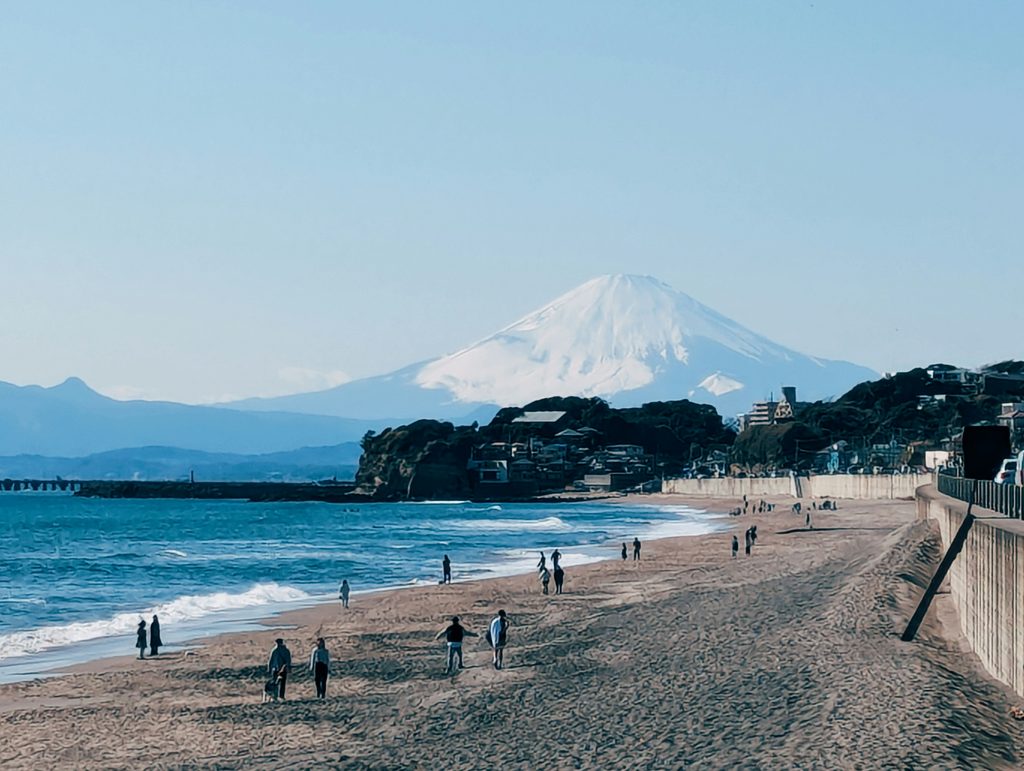
    Just a short walk or ride from the center, Yuigahama is where locals go to slow down. It’s a wide, easy beach — perfect for a break between temples, a seaside lunch, or simply watching the waves. On a clear day, you can even see Mount Fuji rising across the bay.

    If You Have Extra Time: The Enoden to Enoshima

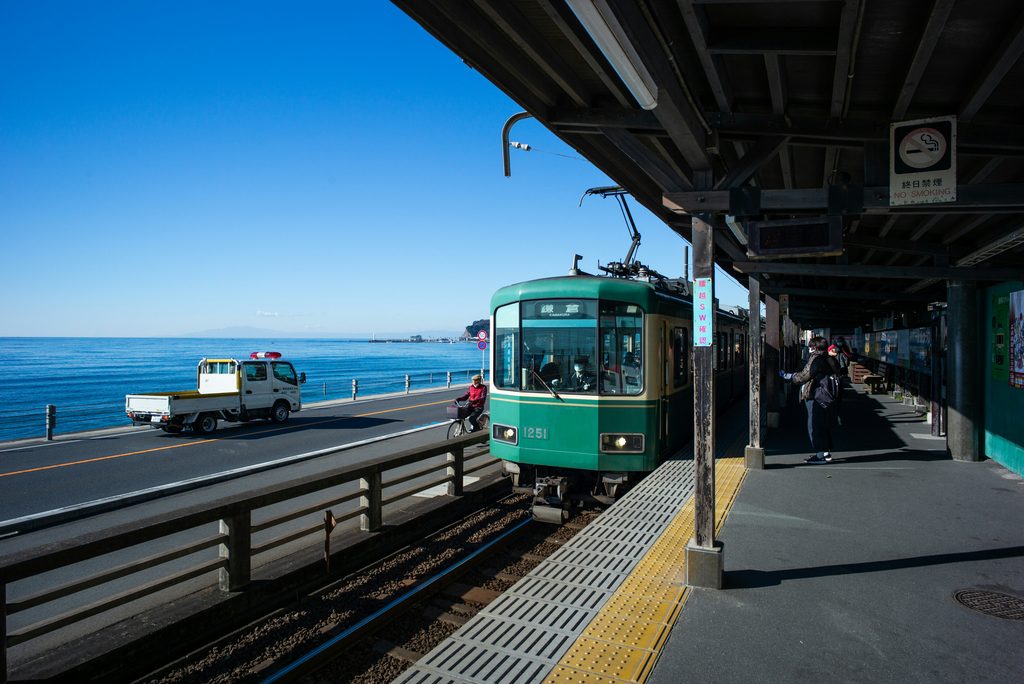
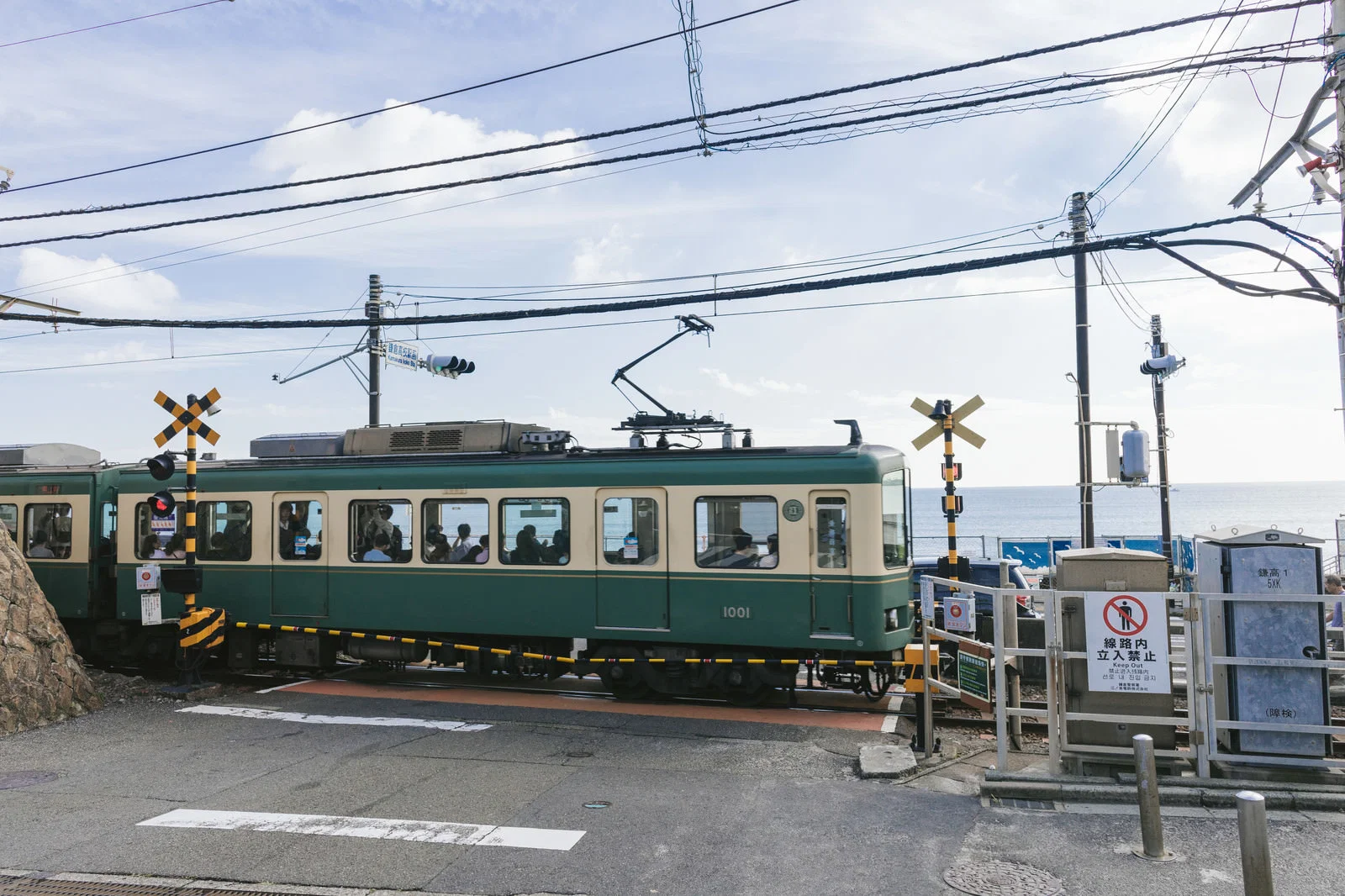
    If your schedule allows, hop on the Enoden — a charming old local railway that trundles along the coast between Kamakura and Enoshima. The ride itself is part of the experience: it winds past the sea and through quiet neighborhoods, full of atmosphere. Enoshima, a small island with shrines, caves, and sea views, makes a lovely extension to a Kamakura day.

    Where to Eat: Try the Shirasu

    Kamakura is famous for shirasu — tiny whitebait caught fresh along this coast. Locals love it served raw as nama-shirasu over rice, in a shirasu-don rice bowl. It’s a true taste of the area and something you won’t find fresh just anywhere, so if you see it on a menu near the sea, don’t miss it. (Raw shirasu is seasonal, so you may find it served boiled at other times — both are delicious.)

    A Local’s Tips

    • Start early to enjoy the main sights before the crowds, especially on weekends.
    • Wear comfortable shoes — Kamakura is best explored on foot, with some stairs and slopes.
    • Late summer into autumn is a beautiful time to visit, with mild weather and a quieter feel.

    Practical Info

    • Getting there: ~1 hour from Tokyo Station (Yokosuka Line) or Shinjuku/Shibuya (Shōnan-Shinjuku Line)
    • Time needed: A full day, or half a day if you’re short on time
    • Best season: Late summer into autumn
    • Good for: First-time visitors, history lovers, and anyone wanting a break from the city
  • Tsurugaoka Hachimangu: A Local’s Guide to Kamakura’s Most Important Shrine

    Tsurugaoka Hachimangu: A Local’s Guide to Kamakura’s Most Important Shrine

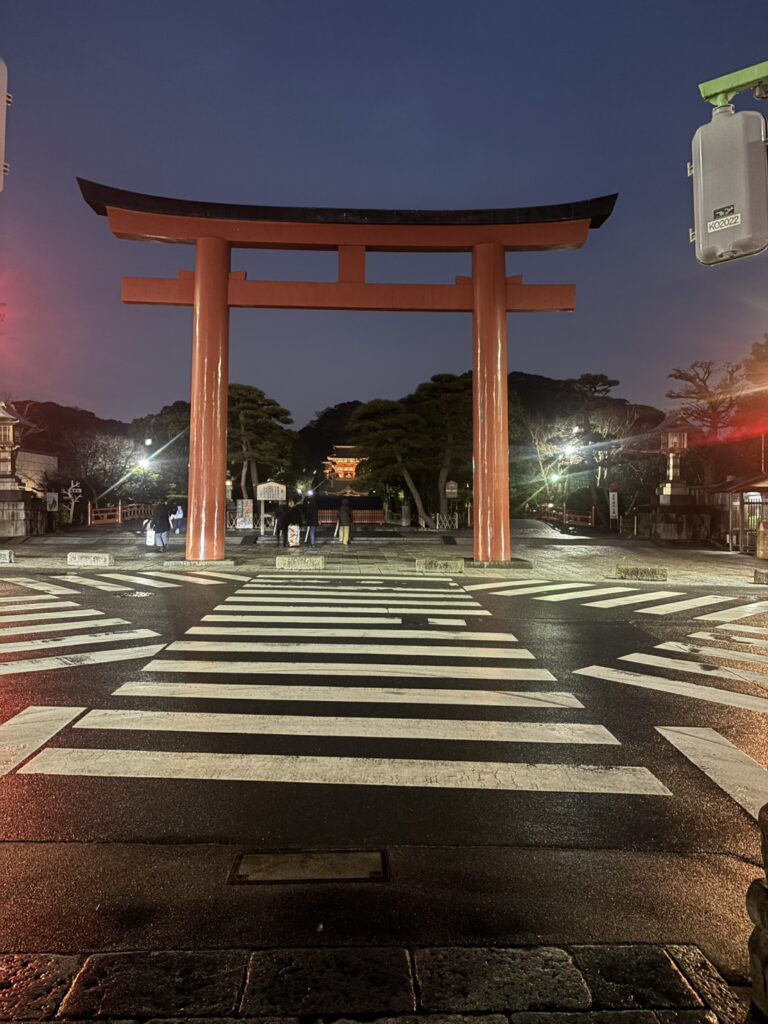
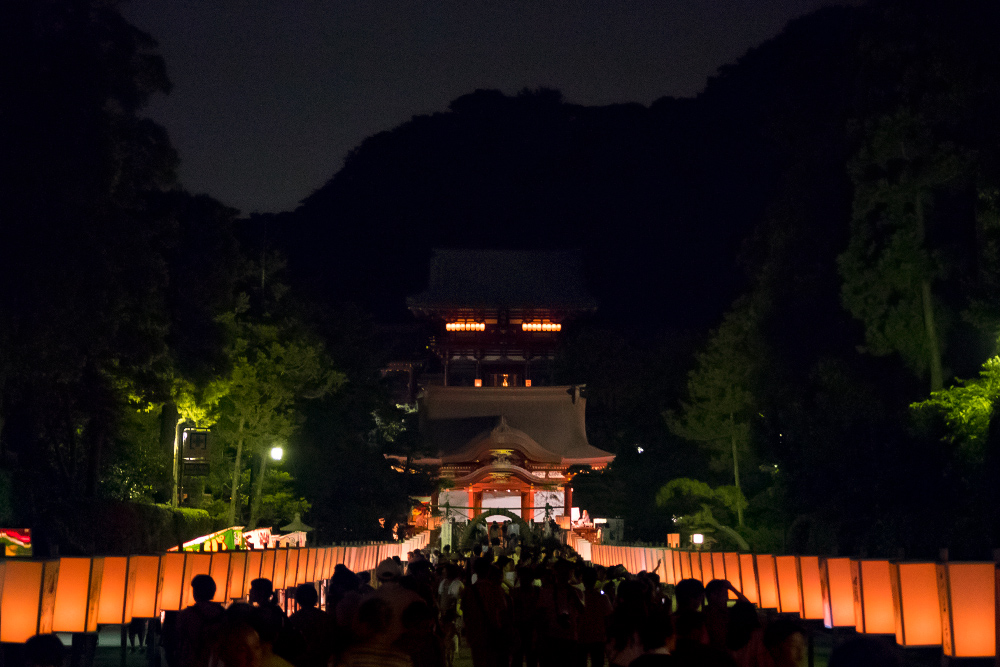
    Tsurugaoka Hachimangu torii gate illuminated at night, Kamakura

    Most visitors come to Tsurugaoka Hachimangu for the grand staircase and the vermilion halls. But this shrine is far more than a photo stop — it sits at the very heart of Kamakura’s history, as the spiritual center of Japan’s first samurai government, the place where the Minamoto shogun line came to a violent end, and a witness to the sudden fall of the city itself. Here’s what this shrine means, and how to experience it the way locals do.

    The History

    The Heart of the Samurai Capital

    Tsurugaoka Hachimangu was established by Minamoto no Yoritomo, the founder of the Kamakura shogunate, who placed it at the spiritual core of his new capital. For the Minamoto clan, this was not simply a shrine — it was the very symbol of their rule.

    Where the Minamoto Line Ended

    It was also where that rule came undone. In 1219, the third shogun, Minamoto no Sanetomo — Yoritomo’s son — was assassinated on these grounds by his own nephew, Kugyō, the son of the second shogun Minamoto no Yoriie. With Sanetomo’s death, the Minamoto shogun line was extinguished, only a generation after it had been founded. To stand here is to stand where the Minamoto shoguns both rose and fell.

    A Fortress That Fell in Two Weeks

    For nearly 150 years, Kamakura stood as the seat of Japan’s first samurai government — a capital chosen for its natural defenses, with mountains on three sides, the sea on the other, and only a handful of narrow passes leading in. It was said to be almost impossible to attack, and for generations it wasn’t.

    Then, in 1333, it fell in about two weeks. As Ashikaga Takauji — later the founder of the next shogunate — turned against the ruling Hōjō and seized their headquarters in Kyoto, his distant kinsman Nitta Yoshisada marched on Kamakura itself. Unable to force the mountain passes, Nitta swung around to the beach at Inamuragasaki and broke through along the shore at low tide. Within days the city was overrun, and the Kamakura shogunate — the power that had ruled Japan for a century and a half — was gone.

    The capital that was supposed to be unconquerable had been undone by the very sea meant to protect it.

    Dankazura: The Approach Most Visitors Rush Through

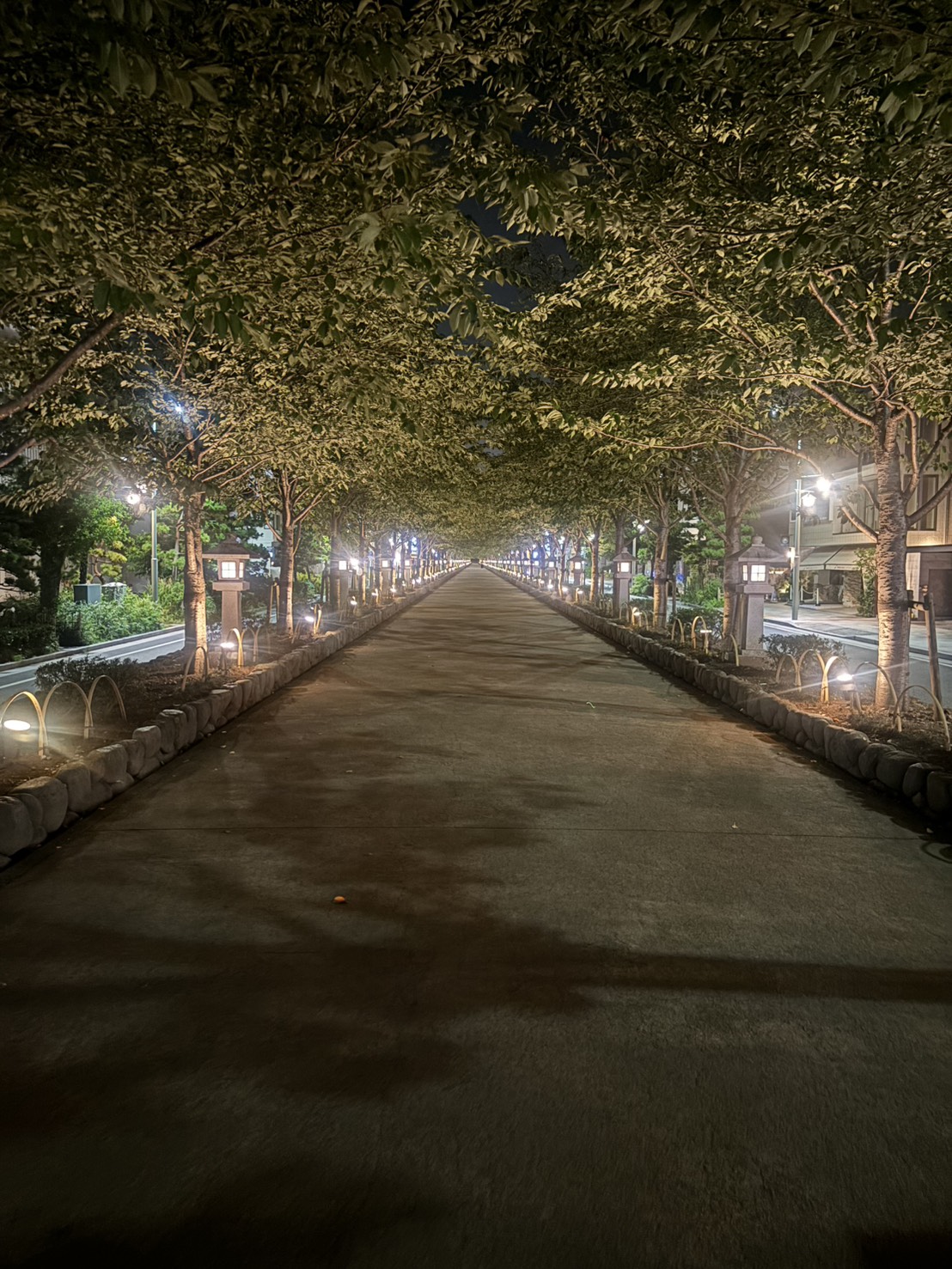
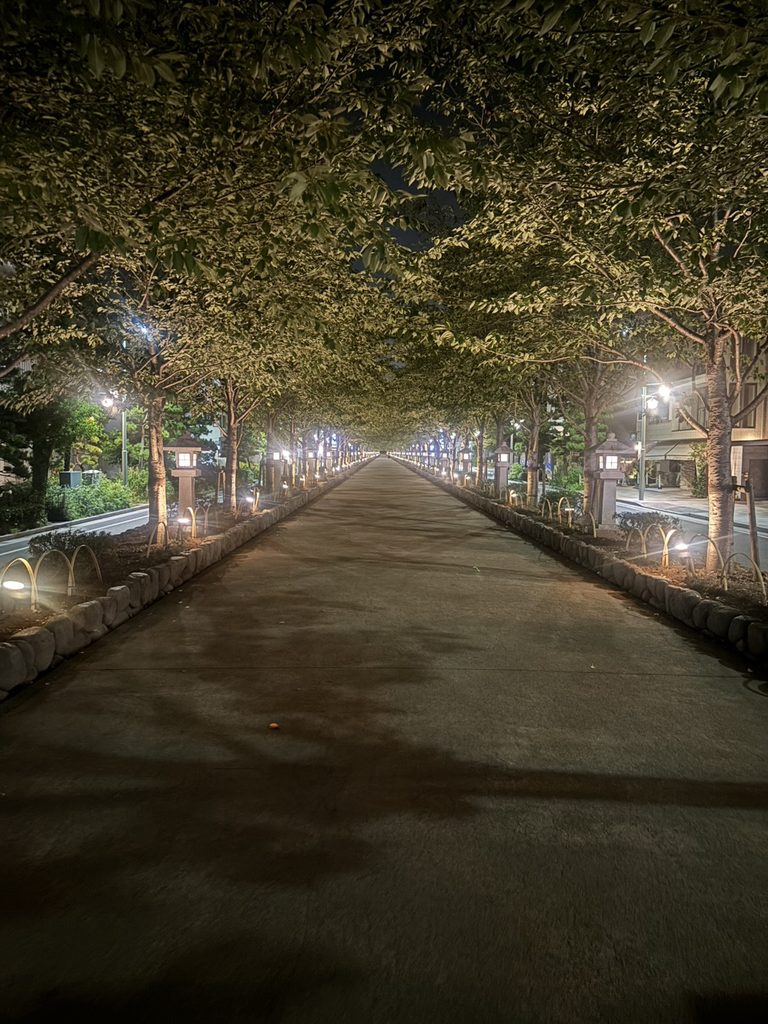
    Dankazura approach lined with stone lanterns at night, Kamakura

    From Kamakura Station toward the shrine’s great torii gate runs Dankazura — a raised, walkable path down the center of the road, lined with stone lanterns. By day it’s busy, but go at night and you may have it almost entirely to yourself. Lit by the lanterns, with the crowds gone, it becomes one of the most beautiful and quietly powerful walks in Kamakura. If you visit between late summer and autumn, you’ll catch it at its finest.

    What to See

    The Sandō (inner approach)

    Tree-lined sando approach leading to the main hall, Tsurugaoka Hachimangu

    Once you pass through the torii, a tree-lined approach leads through the grounds toward the main hall. Walking it slowly — rather than rushing to the steps — is part of how locals experience the shrine.

    The Main Hall (Hongū)

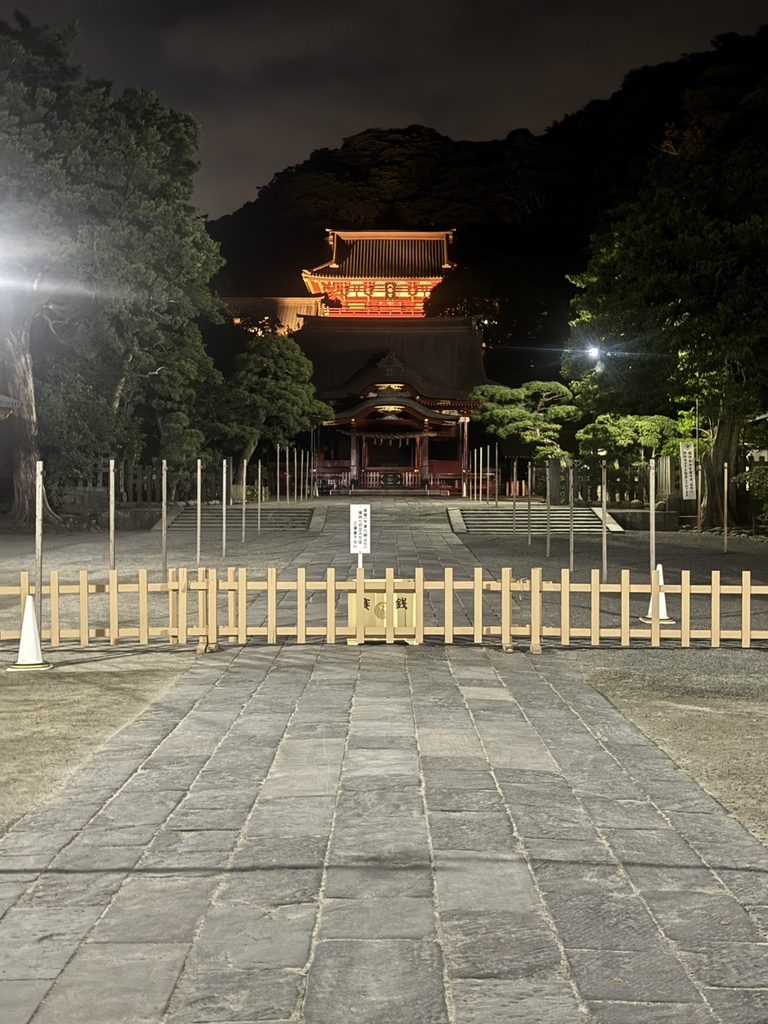
    Main hall of Tsurugaoka Hachimangu in the evening, Kamakura

    At the top of a wide stone staircase stands the main hall, painted in striking vermilion. Climbing the steps and looking back over the grounds gives you the same commanding view the shrine’s founders intended — a reminder that this was the ceremonial heart of a warrior government. In the quiet of early evening, before closing, the hall has a stillness that daytime crowds never let you feel.

    The Maiden (dance stage)

    The open-sided stage in the center of the grounds is tied to one of Kamakura’s most famous legends and is still used for ceremonies today.

    Experience It Deeper

    Tsurugaoka Hachimangu rewards visitors who understand its story. If you want to go beyond the surface, a local walking tour of historic Kamakura brings the shogunate era to life — connecting this shrine to the wider city in a way a guidebook can’t.

    [→ 歴史街歩きツアーのアフィリエイトリンク:MagicalTrip / Japan Experience]

    Getting There

    Tsurugaoka Hachimangu is about a 10-minute walk from Kamakura Station, straight up Dankazura. From central Tokyo, the ride takes roughly an hour.

    If Kamakura is part of a longer trip around Japan, a rail pass can save you money on the journey here and beyond — worth checking before you travel.

    [→ 交通パスのアフィリエイトリンク:JRPass 等]

    Practical Info

    • Hours: Open daily, 6:00 AM – 8:00 PM
    • Best season: Late summer into autumn, when the approach and grounds are at their most beautiful.
    • Time needed: Around 45 minutes to an hour to enjoy it properly.
    • Getting there: ~10 min walk from Kamakura Station; ~1 hour from central Tokyo.
    • Local tip: Walk Dankazura in the evening for the lanterns — and far fewer people.