Just an hour from central Tokyo, Kamakura makes one of the best day trips in Japan. This seaside town was the country’s capital during the samurai era, and today it packs centuries of history, a giant bronze Buddha, quiet beaches, and a nostalgic old railway into a space you can explore in a single day. Here’s how to get there, what to see, and how to experience it the way a local would.
How to Get There from Central Tokyo
Getting to Kamakura is simple, and in most cases you won’t even need to change trains.
- From Tokyo Station: Take the JR Yokosuka Line straight to Kamakura — one train, about an hour.
- From Shinjuku or Shibuya: Take the JR Shōnan-Shinjuku Line, which also runs direct to Kamakura.
Both lines are covered by the Japan Rail Pass and most standard IC cards, so you can simply tap in and go.
[→ 交通パスのアフィリエイトリンク:JRPass 等]
Coming Straight from the Airport?
If you’d rather visit Kamakura on your arrival or departure day — without heading into central Tokyo first — here’s how locals do it:
- From Narita Airport: Take the Narita Express (N’EX) to Ōfuna, then transfer to the Yokosuka Line for the short ride to Kamakura.
- From Haneda Airport: Take the Keikyū Line to Yokohama, then transfer to the Yokosuka Line. Alternatively, there’s an airport limousine bus to Yokohama, where you can pick up the same train.
This makes Kamakura a great first or last stop on a Japan trip, especially if you’re not based in Tokyo the whole time.
How Much Time You Need
A day is plenty to enjoy Kamakura’s highlights without rushing. If you arrive mid-morning, you’ll have time for the main sights, lunch by the sea, and a slow wander before heading back in the evening.
First Stop: Komachi-dori Shopping Street
The moment you step out of Kamakura Station’s east exit, you’ll find Komachi-dori — a lively shopping street that runs toward Tsurugaoka Hachimangu. It’s the perfect introduction to the town. The street is packed with food stalls for snacking as you walk, along with small shops selling local crafts, souvenirs, and all kinds of knick-knacks. Grab something to eat, browse the shops, and let yourself get a feel for Kamakura before heading to the main sights.
What to See
The Great Buddha at Kōtoku-in
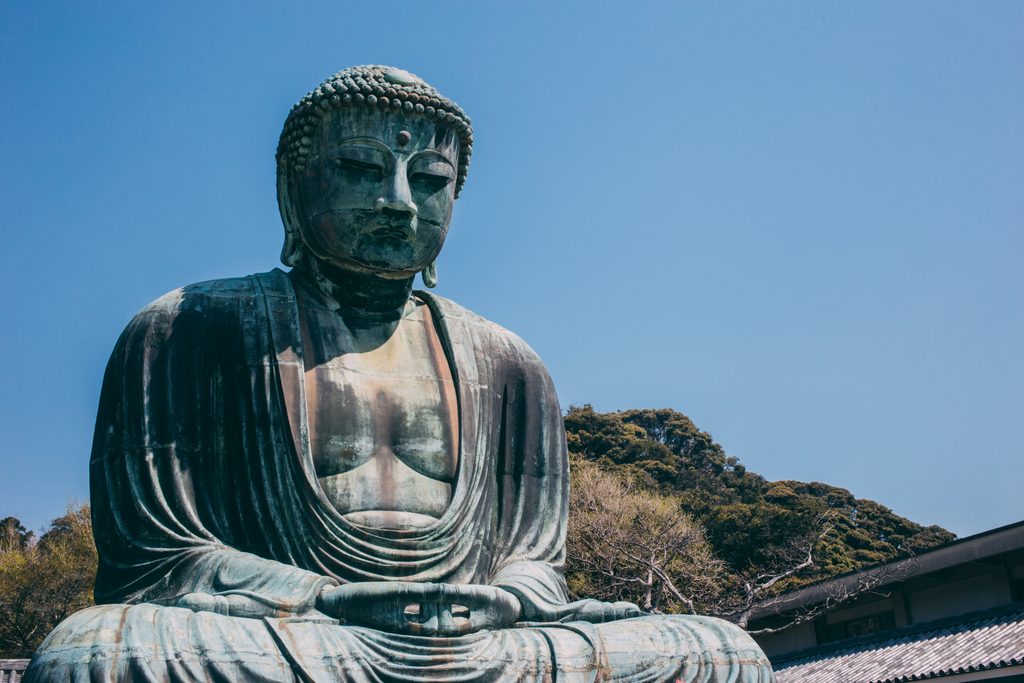
Kamakura’s most iconic sight is the Great Buddha — a bronze statue over 13 meters tall, sitting serenely in the open air at Kōtoku-in. But it wasn’t always open to the sky. The statue once stood inside a great wooden hall, which was destroyed several times by violent storms over the centuries. Eventually it was never rebuilt — and for more than 500 years the Buddha has sat out in the open. That’s exactly why you can admire it against the sky today, something you can’t do with most great Buddha statues in Japan.
Tsurugaoka Hachimangu
The spiritual heart of Kamakura and the city’s most important shrine, with a history that runs from the rise of the samurai to the dramatic fall of the Minamoto shoguns. (If you want the full story, see my local’s guide to Tsurugaoka Hachimangu.)
Yuigahama Beach
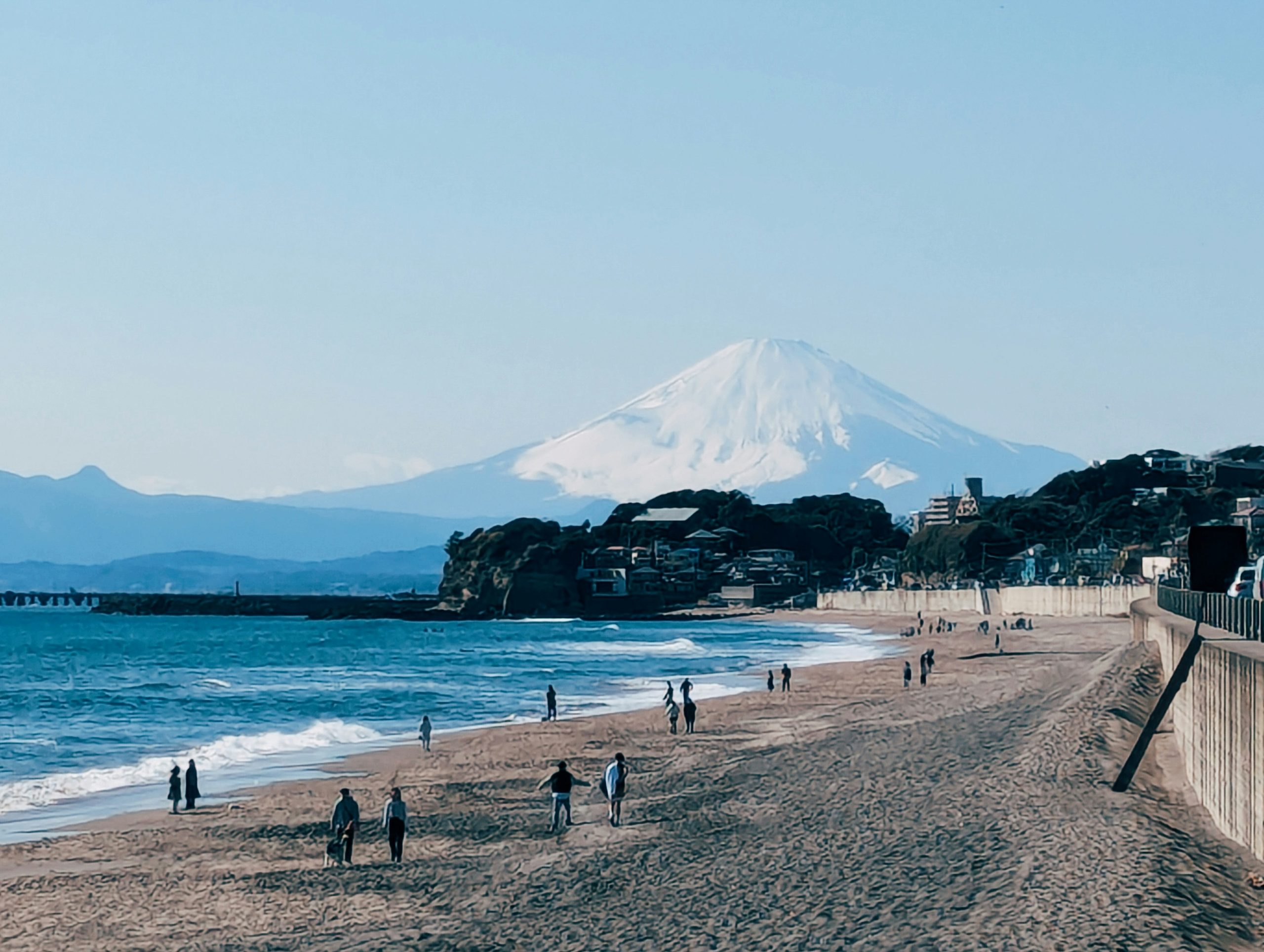
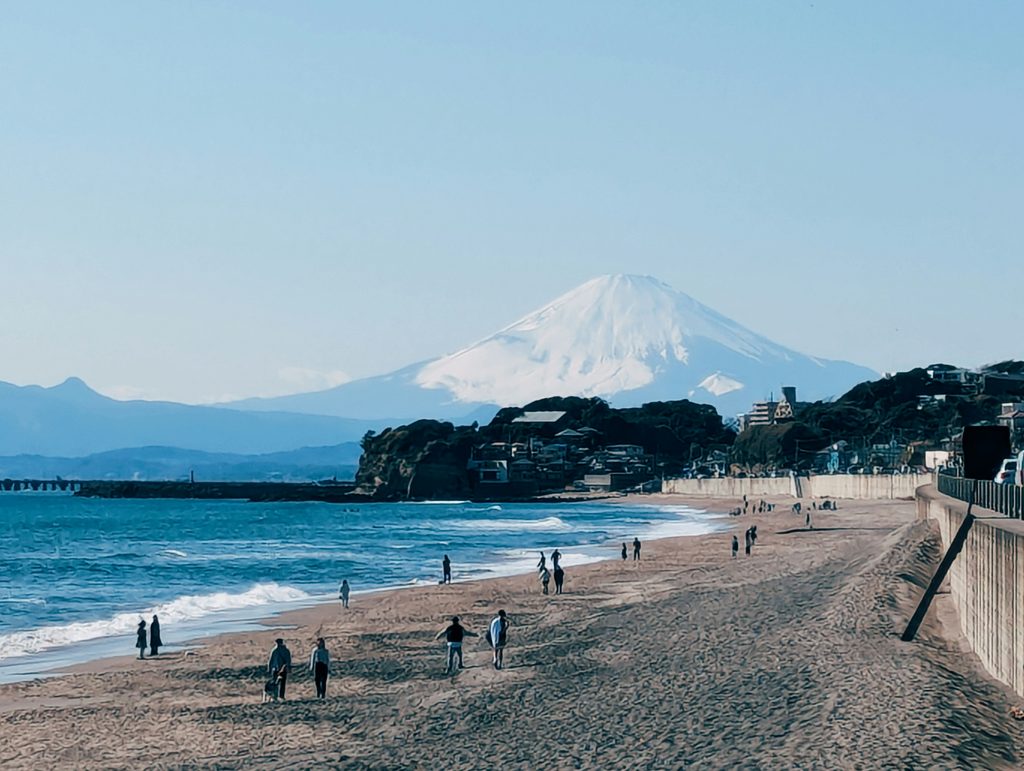
Just a short walk or ride from the center, Yuigahama is where locals go to slow down. It’s a wide, easy beach — perfect for a break between temples, a seaside lunch, or simply watching the waves. On a clear day, you can even see Mount Fuji rising across the bay.
If You Have Extra Time: The Enoden to Enoshima
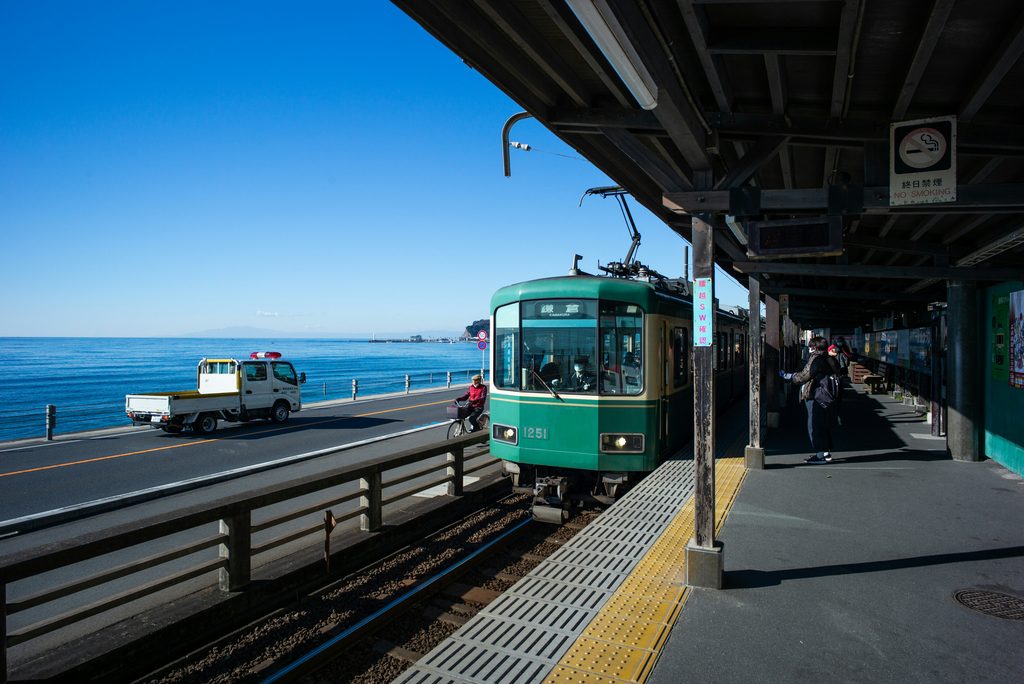
If your schedule allows, hop on the Enoden — a charming old local railway that trundles along the coast between Kamakura and Enoshima. The ride itself is part of the experience: it winds past the sea and through quiet neighborhoods, full of atmosphere. Enoshima, a small island with shrines, caves, and sea views, makes a lovely extension to a Kamakura day.
Where to Eat: Try the Shirasu
Kamakura is famous for shirasu — tiny whitebait caught fresh along this coast. Locals love it served raw as nama-shirasu over rice, in a shirasu-don rice bowl. It’s a true taste of the area and something you won’t find fresh just anywhere, so if you see it on a menu near the sea, don’t miss it. (Raw shirasu is seasonal, so you may find it served boiled at other times — both are delicious.)
A Local’s Tips
- Start early to enjoy the main sights before the crowds, especially on weekends.
- Wear comfortable shoes — Kamakura is best explored on foot, with some stairs and slopes.
- Late summer into autumn is a beautiful time to visit, with mild weather and a quieter feel.
Practical Info
- Getting there: ~1 hour from Tokyo Station (Yokosuka Line) or Shinjuku/Shibuya (Shōnan-Shinjuku Line)
- Time needed: A full day, or half a day if you’re short on time
- Best season: Late summer into autumn
- Good for: First-time visitors, history lovers, and anyone wanting a break from the city
コメントを残す