If you’re planning a day trip to Kamakura and wondering whether to buy a Japan Rail Pass, here’s the honest answer from someone who lives here: for most travelers, you don’t need one. Let me explain why — and what to use instead to keep things simple and cheap.
The Short Answer
The Japan Rail Pass is designed for long-distance travel across the country. For a day trip from Tokyo to Kamakura, it’s almost always more expensive than it’s worth. Unless your wider trip involves a lot of long-distance train travel, you can skip it and save money.
What a Trip to Kamakura Actually Costs
Getting from Tokyo to Kamakura is inexpensive on its own:
- Tokyo Station to Kamakura (JR Yokosuka Line): about ¥1,034 one way with an IC card, so roughly ¥2,000 round trip.
Compare that to a 7-day Japan Rail Pass, which costs ¥50,000. You would need to be taking many long-distance trains — think Tokyo to Kyoto, Osaka, or Hiroshima — before a pass like that starts to pay for itself. A single day trip to Kamakura doesn’t come close.
When the Japan Rail Pass Is Worth It
To be fair, the pass makes sense for some trips. If your itinerary looks like Tokyo → Kyoto → Osaka → Hiroshima within a week, with several long bullet-train rides, the Japan Rail Pass can genuinely save you money and hassle. In that case, it’s worth buying before you arrive.
[→ Japan Rail Pass のアフィリエイトリンク]
But if you’re mostly based in Tokyo and taking day trips to places like Kamakura, Nikko, or Hakone, individual rides almost always work out cheaper.
What to Use Instead: Just Tap an IC Card
For a Kamakura day trip, the easiest option by far is an IC card — the rechargeable smart cards known as Suica or PASMO.
Here’s why locals love them, and why they’re perfect for visitors:
- No need to buy a ticket every time. You just tap in at the gate and tap out at your destination. No working out fares, no ticket machines, no queues.
- They work almost everywhere — JR trains, subways, private railways, buses, even convenience stores and vending machines.
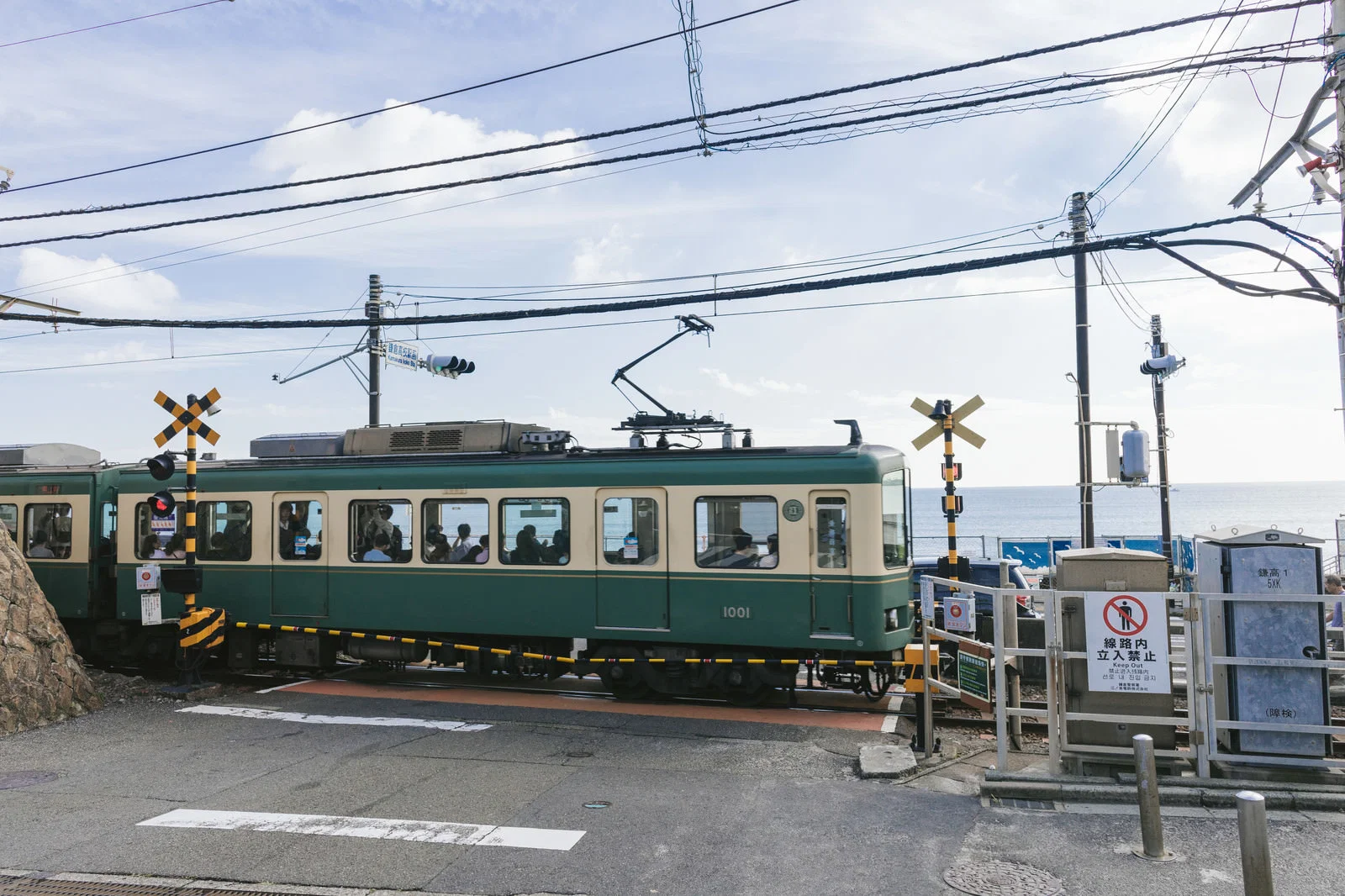
- One card covers your whole day — the train to Kamakura, the Enoden along the coast, a drink from a vending machine at the beach.
For most visitors, tapping an IC card is the single easiest way to get around, and it removes the biggest headache of all: figuring out tickets in a foreign language.
How to Get an IC Card
Getting one is easy, and it’s worth doing as soon as you arrive:
- Where: You can buy Suica or PASMO at ticket machines and station counters at major stations, including the airports. Look for the machines marked with the Suica (green penguin) or PASMO logo.
- How: Most machines have an English option. Choose the IC card, pay with cash (and at many machines, by card), and you’re ready to tap.
- Topping up: When your balance runs low, just add more cash at any IC card machine. Any leftover balance stays on the card for next time.
- On your phone: If you have an iPhone or Apple Pay, you can even add a Suica directly to your phone and skip the physical card entirely.
If you’re visiting Japan more than once, a physical IC card is especially worth keeping — it works nationwide, covers buses as well as trains, and spares you from puzzling over fares and ticket machines in Japanese every trip. It’s one of the simplest things you can do to make getting around Japan stress-free.
A Tip Most Guides Miss: Tap Your Credit Card
Here’s something even many guidebooks don’t mention. On a growing number of private railways in the Tokyo area — such as the Tokyu lines — you can now tap your contactless credit card directly at the gate, just like an IC card. No separate ticket, no IC card top-up — your own card works as your ticket.
It’s not available on every line yet, but where it is, it’s wonderfully convenient for visitors who don’t want to deal with buying or charging anything at all.
A Local’s Honest Take
Don’t let the marketing pressure you into a rail pass you won’t use. For a Kamakura day trip — and most Tokyo-based travel — a simple IC card (or a tap of your credit card where supported) is cheaper, easier, and far less stressful. Save the Japan Rail Pass for the kind of long, multi-city trip it was actually made for.